
Has a book every shaped how you feel about or behave in society?
In
How Fantasy Becomes Reality: Seeing Through Media Influence social psychologist Karen E. Dill argues just this. She claims that people chose to believe, instead of critically examining, what they read. She suggests that people often get lost in a storyline and acquire the beliefs of its main characters.
As an avid reader, I too have been caught up in a storyline and have invented my own similarities with a main character. For example, when I was young I used to read
The X-Files books non-stop... and then I decided I wanted to be a pathologist just like Scully. Well, that didn't turn out.
There are larger implications with reading, too. Past psychological studies purport that a positive correlation exists between reading romance novels and not using condoms - thus increasing your chances of STDs and a whole host of other problems (Dill, 13).
Reading a book on a new-to-you culture can leave you with either negative or positive opinions on a group of people... which can lead to the formation of stereotypes and impact how you behave towards others. It is imperative to read multiple viewpoints and to always think critically.
Dill argues that we have a tendency to believe what we read, even when it is near impossible for what we read to be true. Remember the hype for the release of the last Harry Potter book? I'm sure it is near impossible for any of us to forget. Dill claims that the massive turnouts the for release of Harry Potter books occurred because Harry is real to readers. I'll let Dill explain:
[Readers] know he's not sitting in a castle somewhere in England. Yes, they know people can't really shoot lightening bolts out of a magic wand... But J.K. Rowling is one of the richest women in the world because she's made characters and situations that are so human and meaningful to us that we choose to hold them in our mind's eye as real, even though part of us knows they are not real in the mundane sense. I guarantee you, for many people in the world, Harry Potter is more real than their own next-door neighbor (Dill 84).
The sad thing is that Harry Potter, and other literary figures at that, are a lot more real than some of the people I bump into on a regular basis. Perhaps I read too much?
Dill's work is very broad. Here are just a few more interesting points:
- On average, Americans spend 2/3 of their waking lives consuming mass media (I think this would apply to Canadians as well).
- Media capitalizes on how our minds function - people are unaware of the effects of exposure to media as the mind is largely unconscious.
- The results from eating food high in fat are not immediate - eat a piece of cheesecake and you don't automatically gain 10 pounds. How people consume and are affected by media works in a similar fashion. After playing a violent video game you don't immediately go outside and punch that annoying neighbor of yours square on the nose... but add up a decent amount of exposure to media that portrays violence and you'll be more prone to act aggressively.
- Exposure to degrading music (ie - violent, racist, or sexist lyrics) is correlated to individuals engaging in sexual activity at a younger age.
- Video games are highly stereotypical. Currently the overwhelming majority of victims in games, or the bad guys the gamer is sent out to kill, are Muslim.
- Female bodies are disproportionately presented in both video games and films for children. For example, if "Lara Croft were real, she couldn't do the athletic tricks she does in the game - she'd be lucky to be able to stand up with those huge breasts! And if Disney's Princess Jasmine were real, we'd probably find her alarming because her eyes are bigger than her waist." (Dill, 134-135).
- Media can be helpful - journalists have brought attention to domestic violence which has led to increasing amounts of attendance at shelters.
Overall, Dill argues that we need to be critical of what we view in the media. Media is created by big businesses who wish to sell products, not to entertain people. We need to be aware of the impact of exposure to the media. We can still watch our films and television, play video games, and surf the Internet... just be sure to incorporate real-life activities into your life like sports, arts and crafts, or even picking up a book.
The bottom line?
Awareness of what you consume is key.
 Nature or nurture?


 Has a book every shaped how you feel about or behave in society?
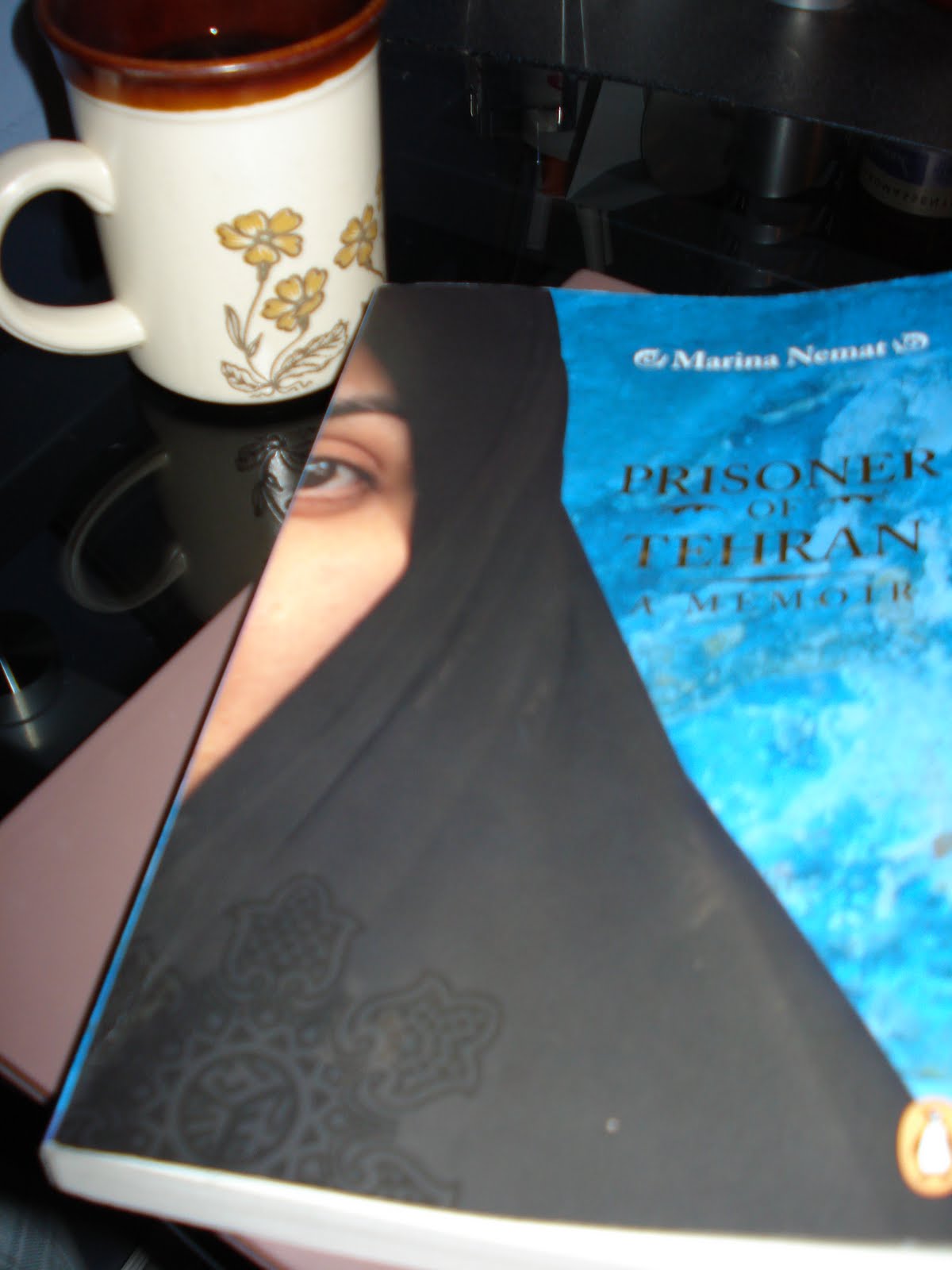 During my first cup of coffee this morning I thought it was high time I post a review. I've read a couple of books this week... one pointless, frivolous, and lacking a strong plot line (just as a romance novel should be haha)... and another that was immensely powerful.
